
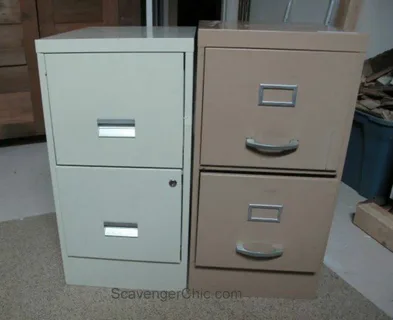
In any modern workspace, document security is a top priority, and a filing cabinet lock plays a critical role in protecting sensitive files, contracts, and confidential records. Offices handle a wide range of information every day, from employee data to financial documents, and without proper security measures, these materials can be vulnerable to unauthorized access. A reliable locking system ensures peace of mind, helping businesses maintain confidentiality, comply with regulations, and build trust with clients and employees alike. Choosing the right lock is not just about security; it is also about efficiency, durability, and long-term value for your office environment.
Why Locking Mechanisms Matter in Office Filing Cabinets
A filing cabinet is more than a storage unit; it is a safeguard for critical information. Locking mechanisms prevent accidental access, protect against internal misuse, and act as a deterrent against theft. In busy offices where multiple people share the same space, unsecured cabinets can easily lead to misplaced or compromised documents. A well-designed filing cabinet lock ensures that only authorized personnel can access specific files, helping to streamline document management while maintaining strict control over sensitive materials.
Beyond security, locks also support organization and accountability. When access is restricted, employees are more mindful of document handling, reducing errors and losses. This structured approach to file management improves workflow efficiency and supports a professional office culture where data protection is taken seriously.
Different Types of Filing Cabinet Locks Explained
Understanding the different types of locks available can help businesses choose the most suitable option. Traditional key locks are among the most common and are valued for their simplicity and reliability. These locks are easy to use and cost-effective, making them ideal for small offices or departments with limited access requirements.
Combination locks offer an added layer of convenience by eliminating the need for physical keys. They are particularly useful in environments where multiple authorized users need access without the hassle of key management. For offices seeking advanced security, electronic or digital locks provide enhanced control, often featuring access codes, audit trails, or integration with office security systems. Each type of lock serves a specific purpose, and the right choice depends on the level of security, ease of use, and budget considerations.
Materials and Build Quality That Enhance Lock Performance
The effectiveness of a filing cabinet lock is closely tied to the quality of materials used in its construction. High-grade steel locks are known for their strength and resistance to tampering, making them suitable for environments that require robust security. Cheaper materials may reduce upfront costs but often compromise durability and reliability over time.
A well-built lock also ensures smooth operation, reducing the risk of jams or malfunctions that can disrupt daily office tasks. Durable finishes protect the lock from wear and corrosion, extending its lifespan and maintaining functionality even in high-use environments. Investing in quality materials ultimately leads to lower maintenance costs and consistent performance.
Balancing Security and Accessibility in the Workplace
While security is essential, accessibility should not be overlooked. A filing cabinet lock should protect documents without creating unnecessary barriers for authorized users. Locks that are difficult to operate or prone to failure can slow down workflows and frustrate employees. The goal is to strike a balance where files are secure yet easily accessible to those who need them.
Modern locking solutions often focus on user-friendly designs that combine security with convenience. Features such as smooth-turn keys, clear combination dials, or intuitive digital interfaces ensure that employees can access files quickly while maintaining strict security standards. This balance supports productivity and encourages consistent use of secure storage practices.
Compliance, Privacy, and Professional Responsibility
Many industries are subject to strict data protection regulations that require secure storage of physical documents. A reliable filing cabinet lock helps organizations comply with these requirements by ensuring that sensitive information is protected from unauthorized access. Compliance not only avoids legal penalties but also reinforces the company’s reputation as a responsible and trustworthy organization.
Privacy is equally important in maintaining employee and client trust. Secure filing systems demonstrate a commitment to safeguarding personal and confidential information, which is especially critical in sectors such as healthcare, finance, and legal services. A strong locking system is a visible sign of professionalism and accountability within the workplace.
Long-Term Value of Investing in Quality Locks
Choosing a high-quality filing cabinet lock is a long-term investment rather than a short-term expense. Durable locks reduce the need for frequent replacements and repairs, saving time and money over the lifespan of the cabinet. They also enhance the overall value of office furniture by ensuring it remains functional and secure for years to come.
In addition, quality locks contribute to a safer and more organized office environment. Employees can work with confidence, knowing that important documents are protected, and management can focus on operations without worrying about data breaches or document loss. This sense of security positively impacts morale and operational efficiency.
Maintenance and Best Practices for Lock Longevity
Even the best locks require proper care to maintain optimal performance. Regular inspections help identify early signs of wear or damage, allowing timely maintenance or replacement. Keeping locks clean and lubricated ensures smooth operation and prevents jams that could disrupt access to important files.
Establishing clear access protocols is another best practice. Limiting the number of authorized users and keeping track of keys or access codes reduces the risk of misuse. When employees leave the organization, updating or changing locks ensures continued security. These simple practices extend the life of your locking system and reinforce a culture of responsibility.
Choosing the Right Solution for Your Office Needs
Selecting the ideal filing cabinet lock depends on several factors, including the type of documents stored, the number of users, and the desired level of security. Offices with highly sensitive records may benefit from advanced digital locks, while smaller teams may find traditional key locks sufficient. Consulting with office storage experts can help identify solutions tailored to your specific requirements.
A thoughtful approach to lock selection ensures that your filing system supports both security and efficiency. By prioritizing quality, usability, and compliance, businesses can create a secure document management strategy that aligns with their operational goals.
Conclusion: A Smart Step Toward Secure Office Storage
A dependable filing cabinet lock is an essential component of a secure and efficient workplace, protecting valuable information while supporting smooth daily operations. By investing in the right locking system, businesses demonstrate their commitment to privacy, compliance, and professionalism. With thoughtful selection and proper maintenance, secure storage solutions from trusted providers like filing cabinets can significantly enhance the safety and organization of any office environment.