
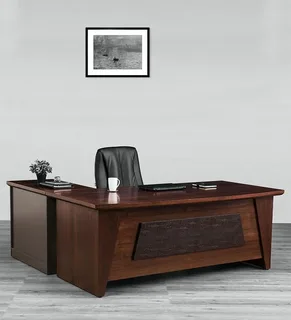
A productive office depends on how well the workspace supports everyday activities. The right Office furniture can improve comfort, organization, movement, and the way employees interact with their surroundings. A desk that provides enough working space, a supportive chair, practical storage, and suitable meeting furniture can all contribute to a workplace that feels organized and efficient. For businesses in Cebu, selecting furniture according to office size, employee requirements, business activities, and available budget can create a more practical environment without unnecessary clutter.
Start With A Clear Workspace Plan
Furniture selection becomes easier when businesses understand what their office actually needs. Before making purchases, consider how many employees will use the space, which departments need dedicated areas, how often meetings take place, and what equipment employees use every day. These details can help determine the number and type of desks, chairs, cabinets, tables, and storage units required.
Planning also helps avoid poor use of floor space. Furniture that is too large can make an office feel cramped, while pieces that are too small may fail to provide sufficient functionality. Measuring the available area and planning walking paths can create a layout that feels balanced. Employees should be able to move between workstations and shared areas without unnecessary obstacles.
Select Desks According To Daily Tasks
Not every employee needs the same type of desk. Staff members who work with computers may need sufficient space for monitors, keyboards, paperwork, and accessories. Employees who handle physical documents may benefit from larger surfaces or nearby storage. Managers may require additional workspace for meetings, files, and administrative responsibilities.
The desk should also provide comfortable legroom and allow equipment to be positioned conveniently. Cable management can prevent wires from becoming tangled around work areas. Choosing desks based on actual job requirements makes the workplace more functional and avoids wasting valuable floor space.
Give Employees Better Seating Support
Office chairs have a direct connection with everyday comfort. Employees who spend extended periods at their workstations need seating that supports their backs and allows suitable adjustments. Features such as adjustable height, supportive backrests, comfortable cushioning, and flexible movement can help create a more suitable working position.
Different areas may require different seating styles. Employee workstations need practical ergonomic chairs, while reception areas may require comfortable visitor seating. Conference rooms should also have chairs that remain comfortable during longer discussions. Considering the purpose of each area can lead to better seating decisions throughout the office.
Improve Organization With Smart Storage
A workplace can become difficult to manage when documents and supplies have no designated locations. Filing cabinets, shelves, cupboards, and mobile pedestals can provide convenient places for important materials. Employees can keep frequently used items nearby while storing less frequently needed documents in larger cabinets.
Storage should be planned according to the amount of material the business handles. Companies with large amounts of paperwork may require dedicated filing areas, while digital-focused businesses may need less document storage but more space for equipment and supplies. A suitable storage system can help keep desks clear and make important items easier to locate.
Make Good Use Of Available Floor Space
Efficient space planning allows businesses to accommodate more useful functions without making the office feel crowded. Workstations can be arranged according to team structure, communication requirements, and privacy needs. Shared areas should remain accessible, while individual work zones should provide enough room for employees to complete their tasks comfortably.
Partitions can be useful when employees need some separation from surrounding activity. Open arrangements may work well for teams that communicate frequently. The best choice depends on the company's working style. Combining open areas with designated private or quiet spaces can provide greater flexibility.
Create A Welcoming Reception Area
The reception area deserves special attention because it often forms a visitor's first impression of a business. The reception desk should have enough space for computers, telephones, paperwork, and other necessary equipment. At the same time, it should maintain a clean appearance that complements the rest of the office.
Visitor seating should be arranged so guests can wait comfortably without interfering with reception staff. Good lighting, clear pathways, suitable furniture placement, and an uncluttered design can make the entrance more inviting. A well-planned reception area can communicate professionalism before a meeting even begins.
Build Comfortable Meeting Areas
Meetings require an environment that supports communication and concentration. A suitable conference table should provide enough room for participants to use laptops, documents, notebooks, and presentation materials. Chairs should allow attendees to remain comfortable throughout discussions.
Businesses with limited space can use multipurpose rooms where furniture can be rearranged for different activities. Movable tables and chairs can support training sessions, team discussions, presentations, or smaller meetings. This flexibility allows one area to serve several functions instead of requiring separate rooms for every activity.
Think About Durability And Maintenance
Workplace furniture receives regular use, so durability should be part of every purchasing decision. Desks are used continuously, chairs are adjusted and moved, and cabinets may be opened several times throughout the day. Furniture with reliable construction can handle this activity more effectively.
Easy maintenance is another useful consideration. Surfaces that are simple to clean can help businesses maintain a neat workplace. When comparing different options, companies should consider materials, construction quality, hardware, finishes, and expected lifespan instead of focusing only on appearance.
Choose A Style That Matches Your Business
An office can look more professional when furniture follows a consistent visual direction. Desk finishes, seating, storage units, reception furniture, and meeting tables should work together rather than creating a disconnected appearance. A coordinated environment can make the workplace feel more organized.
The preferred style should reflect the company's identity. A formal corporate office may suit a clean and understated design, while a creative workplace may benefit from more flexible furniture arrangements. Regardless of style, practicality should remain an important part of the decision.
Prepare For Changes In The Workforce
Businesses can change significantly over time. Employees may be added, teams may expand, departments may move, or work arrangements may change. Furniture that can be rearranged can help businesses respond to these changes without completely redesigning their offices.
Modular workstations, movable tables, and flexible storage can make future adjustments easier. Businesses should consider whether additional workstations can be added and whether existing furniture can be repositioned. Thinking ahead can reduce future costs and make expansion less disruptive.
Compare Value Instead Of Price Alone
Budget is naturally important when furnishing an office, but the lowest purchase price does not always represent the best value. Businesses should compare quality, functionality, comfort, durability, maintenance requirements, warranty coverage, and suitability for daily use.
Frequently used items deserve particular attention. Employees interact with their desks and chairs every working day, so these pieces can have a greater effect on the workplace experience. Spending carefully on high-use furniture while maintaining reasonable costs elsewhere can create a balanced furnishing budget.
Consider Local Office Requirements In Cebu
Businesses in Cebu operate across many industries, and their furniture requirements can vary considerably. A small startup may need compact workstations and multipurpose furniture, while a larger company may require executive desks, conference tables, reception counters, filing systems, and complete employee workstations.
Local businesses should also consider delivery, installation, product availability, and after-sales support when selecting a supplier. Having access to several furniture categories can make it easier to create a consistent office setup. A supplier that understands workplace requirements can also help businesses select options that suit their available space and daily operations.
Create A Workplace That Supports Your Team
Furniture should contribute to the way employees work rather than simply occupy empty areas. Comfortable seating, practical desks, organized storage, suitable meeting spaces, and efficient layouts can create a workplace that supports concentration and collaboration. Good planning also allows businesses to use their available floor space more effectively.
The goal is to create an environment where employees can complete tasks comfortably and where visitors experience a professional setting. When businesses consider functionality, durability, design, and future needs together, they can make more confident purchasing decisions.
Final Thoughts
A thoughtfully furnished office can support better organization, employee comfort, communication, and daily efficiency. The right Office furniture should match the company's workflow, available space, workforce, and long-term plans. From ergonomic workstations to practical storage and flexible meeting areas, every piece should contribute to a useful workplace. Businesses seeking suitable furnishing options in Cebu can consider Cebu office furniture den when planning a professional environment designed around practical business needs.