
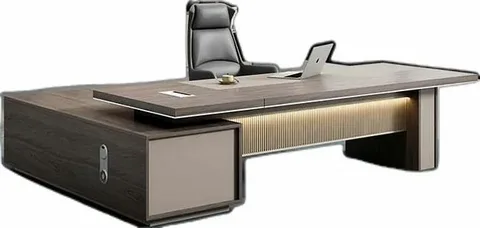
A workplace should be designed around the people who use it every day. Employees need comfortable seating, practical work surfaces, enough storage, and an arrangement that allows them to complete tasks without unnecessary distractions. Office furniture is an important part of this process because the right selection can improve organization, support comfort, and help businesses make better use of their available floor space. Whether the workplace belongs to a small startup, a growing company, a school, a government department, or an established corporate organization, furniture should be selected according to actual working requirements rather than appearance alone.
Understand The Purpose Of Your Workspace
Before selecting furniture, businesses should understand how each section of the office will be used. An office may contain employee workstations, private rooms, meeting areas, reception spaces, storage sections, and informal collaboration zones. Each area has a different purpose, so using the same furniture throughout the workplace may not always be practical.
Employee work areas require desks and chairs that support daily tasks. Management offices may need larger desks with additional storage and visitor seating. Meeting rooms require tables that provide enough space for participants, while reception areas need furniture that creates a comfortable first impression. When the purpose of each area is established first, businesses can make more suitable purchasing decisions.
This approach is particularly useful for companies working with limited floor space. Instead of filling every available area with furniture, businesses can select pieces that serve a clear function. The result can be a cleaner layout with better movement and improved use of the available room.
Select Desks That Match Daily Tasks
A desk should provide enough surface area for the employee's normal activities. Someone who works with multiple monitors and paperwork may need a wider workstation, while an employee who primarily uses a laptop may need less space. Understanding these differences can prevent businesses from buying desks that are either too large or too small.
Desk configuration is another consideration. Individual desks can work well for employees who need focused work areas, while grouped workstations can be suitable for departments where communication is frequent. L-shaped desks can make use of corners, while compact designs may be more appropriate for smaller rooms.
The height and depth of the desk should also be considered. Employees need sufficient legroom and enough space to position their monitor, keyboard, mouse, documents, and other equipment comfortably. Cable management features can further improve the appearance and organization of the workstation.
Give Employee Seating Proper Attention
A comfortable chair can make a noticeable difference in the working environment. Employees may remain seated for extended periods, so chairs should provide suitable support and allow users to adjust their seating position.
Adjustable height, supportive backrests, comfortable seats, and suitable armrests are useful features to consider. Employees have different body types and preferences, so adjustable furniture can provide greater flexibility than fixed designs.
Businesses should also consider the expected frequency of use. A chair intended for a conference room may have different requirements from a chair used by an employee throughout the working day. Choosing seating based on actual usage can help businesses balance comfort, quality, and cost.
Create Better Storage Solutions
A workplace can quickly become disorganized when documents, stationery, files, and equipment do not have dedicated storage. Cabinets, shelves, pedestals, and filing systems can provide employees with convenient places to keep important materials.
Storage should be positioned according to how frequently items are accessed. Documents used every day should remain close to the employees who need them, while archived materials can be stored in less prominent areas. This arrangement can reduce unnecessary movement and help maintain a more orderly office.
Storage furniture can also contribute to security. Lockable cabinets may be useful for confidential records, financial documents, contracts, and other sensitive business materials. By combining accessible storage with appropriate security, businesses can improve both organization and control.
Make The Most Of Available Floor Space
Office planning becomes more important when floor space is limited. Furniture that is too large can make an office feel crowded, while poor positioning can create obstacles between work areas.
Businesses should leave clear paths between desks, doors, storage areas, and meeting spaces. Employees should be able to move around without constantly navigating between chairs or furniture corners. The placement of electrical outlets and technology equipment should also be considered when arranging desks.
Vertical storage can be useful when floor area is restricted. Tall cabinets and shelving can provide additional capacity without occupying a large footprint. Compact workstations can also help businesses accommodate more employees without creating an uncomfortable environment.
Build A Functional Reception Area
Reception is often the first workplace area seen by customers, suppliers, applicants, and business partners. Its design should therefore be welcoming, organized, and consistent with the company's professional image.
A reception counter should provide enough working space for front-desk employees while offering convenient access to computers, telephones, documents, and office supplies. Visitor chairs should provide adequate comfort without taking up excessive space.
The reception area should also have a logical flow. Visitors should be able to identify where to check in, where to sit, and how to reach the appropriate person or department. Good furniture placement can make this process easier while keeping the entrance visually organized.
Design Comfortable Meeting Spaces
Meetings can take place in formal conference rooms, small discussion areas, or shared workspaces. The furniture should match the expected number of participants and the type of discussions normally held.
A large conference table may be suitable for management meetings, presentations, and client discussions. Smaller round or rectangular tables can work well for team conversations and short meetings. Chairs should provide enough comfort for participants who may need to remain seated for extended sessions.
Technology should also be considered. Meeting tables may need space for laptops, screens, charging equipment, and communication devices. Keeping these requirements in mind during furniture selection can make the meeting area more functional.
Consider Quality Before Short-Term Trends
Furniture should not be selected simply because a particular style is currently popular. Office environments need pieces that can handle regular use and remain practical over time.
Materials, construction, hardware, surface quality, and maintenance requirements should all be reviewed. A desk may look appealing, but if its surface is difficult to maintain or its construction is unsuitable for heavy use, it may not provide good long-term value.
Businesses should compare products based on overall value rather than initial purchase price alone. Durable furniture can reduce the frequency of replacements and help maintain a consistent workplace appearance.
Choose A Design That Reflects The Company
Office design can communicate something about a business. A clean and organized workplace can create a professional impression, while comfortable collaborative spaces can make an office feel more approachable.
Companies do not need to follow one particular design style. Minimalist offices may use simple desks and neutral finishes, while creative companies may prefer stronger shapes, textures, and colors. The important point is that the furniture should complement the company's environment.
Consistency can also make a workplace look more polished. Using complementary desk finishes, seating styles, storage systems, and reception elements can create a connected visual appearance across different rooms.
Support Different Working Styles
Employees do not always perform every task in the same way. Some activities require concentration, while others depend on communication and teamwork. A well-planned workplace can provide different areas for these activities.
Individual workstations can support focused tasks, while collaborative tables can encourage discussion. Comfortable lounge areas can provide a less formal setting for brainstorming or short conversations. Private rooms can be useful when employees need to handle confidential discussions or tasks requiring concentration.
Flexible arrangements can also make it easier to adapt the office when teams change. Furniture that can be moved or reconfigured can provide greater practical value for growing businesses.
Think About Future Business Growth
Furniture decisions should consider both current and future requirements. A company may have a certain number of employees today but require additional workstations in the future. Buying furniture that can be expanded or rearranged can make future changes easier.
Modular workstation systems can be particularly useful for businesses expecting growth. Additional units can sometimes be added without redesigning the entire office. Mobile pedestals, movable tables, and flexible seating can also be repositioned when departments change.
Planning ahead can reduce unnecessary spending and help businesses maintain a consistent workplace as they expand.
Make Comfort Part Of Office Planning
Comfort should not be treated as an optional feature. Employees who have suitable desks, supportive chairs, adequate space, and convenient storage can work in a more organized environment.
Ergonomic considerations should include chair height, desk position, monitor placement, keyboard location, and available legroom. Employees should also be encouraged to adjust their workstations according to their needs.
Even small improvements can make a workstation easier to use. A properly positioned monitor, comfortable chair, and uncluttered desk can create a more pleasant daily working experience.
Choose Office Furniture With Long-Term Value
When businesses select Office Furniture, they should look beyond immediate appearance and price. The best choices should support employees, fit the office layout, provide useful storage, withstand regular use, and remain appropriate as the organization develops.
A carefully planned furniture arrangement can improve the use of floor space while creating clear distinctions between workstations, meeting areas, reception spaces, and storage zones. It can also help businesses maintain a professional environment without making the workplace feel uncomfortable or overcrowded.
For companies in the Philippines, the right approach is to evaluate the size of the workplace, employee requirements, available budget, expected growth, and preferred design before making final decisions. This helps businesses invest in furniture that serves practical purposes while contributing to a better overall workplace.
Final Thoughts
A productive office begins with thoughtful planning. Comfortable seating, functional desks, accessible storage, suitable meeting furniture, and a well-organized layout can all contribute to a workplace that supports everyday business activities. Choosing Office Furniture based on durability, usability, employee comfort, and available space can provide greater value over time. Businesses that combine practical planning with an appealing interior can create an environment that works well for employees and leaves a positive impression on visitors. Queens arts and trends can also be considered when exploring ideas for creating a workplace that balances professional presentation with everyday functionality.