
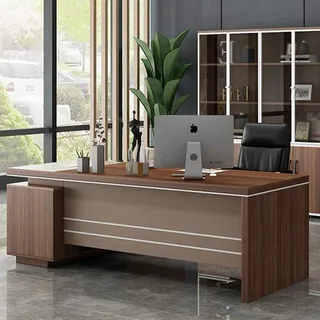
A workplace should be designed around the people who use it every day. Office furniture can influence comfort, organization, movement, and the overall appearance of a business environment. When desks, chairs, storage units, meeting tables, and workstations are selected carefully, employees can complete their responsibilities in a more comfortable setting. Good planning also helps businesses use available floor space wisely instead of placing furniture wherever there is room. A practical office should support concentration, communication, teamwork, and smooth daily operations while maintaining a professional atmosphere for customers and visitors.
The needs of every company are different. A small startup may need compact workstations and flexible seating, while a large organization may require dedicated departments, executive offices, conference rooms, reception furniture, and extensive storage. Schools, clinics, government offices, and creative businesses can also have completely different requirements. Understanding these differences before making purchasing decisions can help create a workplace that matches actual business activities.
Select Desks According To Work Activities
Desks are central to most office environments, so their design should match the tasks employees perform. A person who works primarily on a computer may require enough space for a monitor, keyboard, mouse, telephone, and a few personal items. Someone who handles paperwork or manages a team may need additional surface area for documents and meetings.
Straight desks are suitable for many standard workstations because they provide a simple and organized setup. L-shaped desks can make good use of corners while creating separate areas for computer work and paperwork. Bench workstations can help businesses accommodate several employees within a shared area. Modular desks provide additional flexibility because they can often be rearranged when departments change or staff numbers increase.
Desk height and legroom should also be considered. Employees need sufficient space to sit comfortably without hitting drawers, panels, or nearby furniture. Proper spacing between workstations can make movement easier and prevent the office from feeling overcrowded.
Choose Seating With Everyday Comfort In Mind
A chair may seem like a simple purchase, but employees can spend many hours using it. Comfortable seating can therefore make a noticeable difference to the working environment. A good office chair should provide appropriate back support and allow users to adjust the height according to their desk and body position.
Adjustable armrests, lumbar support, seat depth, backrest movement, and suitable cushioning can provide additional comfort. Businesses should remember that employees have different body shapes and preferences, so one chair may not be ideal for everyone. Testing several options before making a large order can help identify furniture that suits the workforce.
Comfort should also be considered in meeting rooms and reception areas. Visitors and clients may spend time waiting or attending discussions, so seating in these areas should be practical and presentable. Well-designed chairs can support a professional appearance without sacrificing usability.
Use Storage To Control Workplace Clutter
A well-organized office needs a clear storage strategy. Documents, stationery, equipment, files, and personal items can quickly create clutter when there is no designated place for them. Storage furniture can help employees keep important materials accessible while maintaining cleaner workstations.
Filing cabinets are useful for organizing documents, especially when a company manages large amounts of paperwork. Pedestals can be positioned near desks so employees can quickly access frequently used materials. Shelving units can store books, supplies, folders, and display items, while cupboards can keep equipment and less frequently used materials out of sight.
Storage should be positioned according to usage. Items employees access every day should be easy to reach. Archived files and occasional supplies can be placed in less central locations. This approach helps reduce unnecessary movement and makes the workplace easier to manage.
Design A Reception Area That Leaves A Good Impression
The reception area is often the first workplace environment experienced by a visitor. It should look organized, welcoming, and professional while providing reception staff with everything they need to perform their responsibilities.
A reception desk should have sufficient space for computers, telephones, documents, and other equipment. It should also allow staff to interact comfortably with visitors. The surrounding area should provide enough room for people to enter, wait, and move toward other parts of the office.
Visitor seating should be comfortable but should not obstruct walkways. The furniture style can also be coordinated with the company's overall interior design. A clean and consistent reception area can communicate attention to detail and create a positive first impression.
Make Meeting Rooms Comfortable And Useful
Meeting rooms should support productive communication. The size of the conference table needs to correspond with the number of people who normally attend meetings. Participants should have enough space for laptops, notebooks, documents, and other necessary equipment.
Rectangular tables can provide a traditional professional arrangement, while round or modular tables can create a more collaborative atmosphere. Chairs should offer enough support for meetings that last an hour or longer. Businesses should also consider how technology will be used in the room.
Screens, video conferencing equipment, charging points, and cables can affect furniture placement. Planning these requirements before installing the furniture can create a cleaner and more practical meeting environment.
Make Small Workspaces Feel More Open
Small offices require careful planning because every square meter matters. Large furniture pieces can quickly reduce available walking space, so compact designs may be more suitable. Desks with built-in storage can eliminate the need for additional cabinets, while wall-mounted shelving can make use of vertical space.
The placement of furniture can also influence how spacious a room feels. Keeping pathways clear and avoiding unnecessary pieces can create a more open environment. Furniture should be positioned so doors, windows, electrical outlets, and ventilation points remain accessible.
Businesses should measure rooms before purchasing furniture. Accurate measurements help prevent problems such as desks that are too large, cabinets that cannot open properly, or chairs that leave insufficient space behind workstations.
Use Flexible Furniture For Changing Requirements
Business needs can change quickly. A company may hire additional employees, introduce new departments, change its working structure, or create additional meeting areas. Furniture that can adapt to these changes can make future adjustments easier.
Modular workstations are particularly useful because they can often be rearranged as teams grow. Movable tables can support different activities, while flexible seating can allow one area to serve multiple purposes. This can be useful for companies that want to make better use of limited office space.
Planning for future changes can also help control costs. Instead of replacing an entire workplace whenever the organization changes, businesses may be able to rearrange existing furniture and add only the pieces they need.
Pay Attention To Furniture Durability
Office furniture experiences regular use. Desks hold computers and equipment, drawers are opened repeatedly, and chairs are moved throughout the day. Choosing products based on appearance alone can therefore lead to unnecessary replacement costs.
Businesses should examine the construction and materials before making significant purchases. Strong frames, durable surfaces, dependable drawer mechanisms, and quality fittings can help furniture withstand everyday demands. Easy-to-clean materials can also be valuable in busy workplaces.
Durability does not always mean choosing the most expensive option. Instead, businesses should compare quality, expected lifespan, maintenance requirements, and actual usage. A product that remains reliable for years can provide stronger value than a cheaper item that needs frequent replacement.
Maintain A Consistent Interior Style
Furniture contributes significantly to the visual identity of a workplace. Different pieces do not have to be identical, but they should work together visually. Similar finishes, materials, shapes, or design details can help create a coordinated environment.
Some companies may prefer a minimalist workplace with simple forms and neutral finishes. Others may choose warmer materials or more traditional designs. The selected style should reflect the company's character while remaining appropriate for employees and visitors.
A consistent furniture style can also make future additions easier. When businesses have an established design direction, they can select new pieces that blend naturally with the existing environment.
Support Employees With Better Workspace Planning
Furniture should be arranged around employee needs rather than simply around the walls of a room. Employees need sufficient space for their equipment, documents, personal belongings, and daily activities. They also need comfortable access to shared resources.
Printers, storage cabinets, meeting rooms, and shared equipment should be placed where employees can reach them without disrupting other workers. Areas intended for group conversations should be separated from spaces that require quiet concentration whenever possible.
Good workspace planning can reduce distractions and unnecessary movement. It can also make collaboration easier because employees know where to go when they need to communicate with colleagues or work together on a project.
Consider Lighting And Technology Placement
Furniture selection should work alongside lighting and technology. Desks should be positioned so computer screens can be used comfortably without creating unnecessary glare. Workstations should have convenient access to electrical outlets and network connections where required.
Cable management is another important consideration. Uncontrolled cables can make a workplace look untidy and may create unnecessary obstacles. Furniture with cable-management features can help maintain a cleaner appearance and improve practical organization.
Natural light should also be considered when arranging workstations. Windows can provide valuable daylight, but desks should not be placed in ways that create excessive screen reflections. A thoughtful arrangement can make better use of the available environment.
Plan Your Investment Carefully
Purchasing furniture for an entire workplace can represent a substantial business investment. Companies should establish their requirements before selecting individual products. This includes determining the number of employees, available floor area, storage needs, meeting requirements, and expected future growth.
Budgeting should also account for delivery, installation, maintenance, and potential replacement. Businesses can prioritize frequently used furniture first and gradually improve less essential areas as the budget allows.
A carefully planned purchase can prevent businesses from buying furniture that looks appealing but does not suit their daily operations. The goal should be to create a practical environment where every item contributes to productivity, comfort, organization, or professional presentation.
Build A Workplace Ready For The Future
Modern businesses need workplaces that can adapt to changing expectations. Office furniture should therefore provide more than a good appearance. It should support different work activities, make efficient use of space, and remain useful as the company develops.
A combination of practical desks, supportive chairs, smart storage, flexible workstations, and suitable meeting furniture can create a balanced environment. When these elements are planned together, employees can work comfortably while visitors experience a professional setting.
Businesses should also review their workspace regularly. As teams change and technology develops, furniture arrangements may need adjustments. Small changes in desk placement, storage locations, or collaborative areas can sometimes improve the workplace without requiring a complete renovation.
Conclusion
Creating a successful workplace requires thoughtful decisions about comfort, layout, durability, storage, appearance, and future flexibility. The right furniture can make everyday tasks easier while helping businesses maintain an organized and professional environment. Companies should focus on practical requirements instead of choosing products based only on trends or appearance. For businesses exploring dependable workplace furnishing options, Office furniture express can be considered when planning a functional and comfortable office setup.