
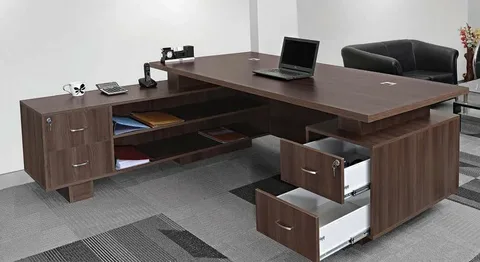
A comfortable and organized workplace can make everyday tasks easier for employees while creating a professional impression for visitors and clients. An Office desk plays a central role in this environment because it gives employees a dedicated area for computers, paperwork, communication devices, and essential supplies. The right design can support better organization without making the workspace feel crowded. Businesses today can choose from many styles, sizes, materials, and layouts, allowing them to select furniture according to their available space and specific working requirements.
Creating A Functional Work Area
A productive office needs furniture that supports the way people actually work. Employees may spend most of their day answering emails, attending virtual meetings, preparing reports, managing documents, or working with specialized software. Each activity can require a slightly different workstation arrangement.
A practical desk should provide enough room for essential equipment while leaving a comfortable area for writing and organizing documents. The placement of the workstation also matters. Desks should be positioned so employees have easy access to storage, walkways, electrical outlets, and shared office resources. Thoughtful planning can make the entire workplace easier to navigate.
Finding The Best Desk Dimensions
There is no single desk size that works for every business. Small workstations can be suitable for compact offices, reception areas, or employees who primarily use laptops. Larger designs may be preferable for managers, designers, accountants, and other professionals who require more working space.
Before purchasing furniture, businesses should measure the room carefully. Consider walls, doors, windows, columns, storage cabinets, and walking paths. This prevents furniture from interfering with movement or making the office feel cramped.
The number of people using the space should also influence the decision. A shared workspace may require compact individual stations, while a private office can accommodate a larger configuration.
Exploring Different Desk Configurations
The layout of a workstation can affect how efficiently the available space is used. Straight desks are simple and versatile, making them suitable for many office environments. L-shaped designs can provide additional working space while fitting naturally into corners.
Bench-style workstations can be useful when several employees need to work together. These arrangements encourage efficient use of floor space and can create a more connected team environment. Executive configurations, meanwhile, can offer generous surface space and a more substantial appearance for private offices.
Businesses should select a configuration based on function rather than appearance alone. The furniture should support daily responsibilities and complement the overall office layout.
Selecting Materials For Long-Term Use
Furniture used in commercial environments needs to handle frequent daily activity. The material and construction quality can therefore have a major effect on durability. Laminate, engineered wood, metal, and other commonly used materials offer different combinations of strength, appearance, and maintenance requirements.
A durable surface can withstand regular cleaning and everyday use. Strong frames can provide stability, while reliable drawer hardware can improve long-term usability. Businesses should inspect these details instead of judging furniture solely by its finish.
Maintenance should also be considered. Surfaces that are easy to wipe and keep clean can make routine office care simpler. A practical material can maintain its appearance for longer when it receives proper care.
Keeping Workstations Organized
An organized workstation can help employees find important items quickly. Documents, stationery, notebooks, chargers, and other supplies can easily create clutter when there is no designated storage area.
Drawers, pedestals, cabinets, and shelves can provide useful storage without requiring employees to leave their work areas frequently. The amount of storage should match actual requirements. Employees who work primarily with digital files may need less storage than those who handle physical documents.
Cable organization is another useful consideration. Computers, monitors, phones, and chargers can produce several cables around a workstation. Built-in cable openings and management systems can keep wires more controlled and contribute to a cleaner appearance.
Improving Employee Comfort
Comfort should remain a key part of office planning. Employees often spend many hours working at their stations, so the furniture should support a comfortable working position.
An appropriate desk height combined with a suitable office chair can help employees arrange their work equipment more effectively. Adequate legroom also allows users to sit naturally and adjust their position when necessary.
The monitor should be positioned at a comfortable viewing height, while the keyboard and mouse should remain easy to reach. These simple considerations can make the workstation more user-friendly.
Businesses should also remember that ergonomic planning involves the complete workstation rather than one furniture item. Desk dimensions, chair adjustments, monitor placement, lighting, and equipment arrangement should work together.
Coordinating Office Furniture
A consistent furniture style can improve the visual appeal of a workplace. Desks should ideally complement office chairs, cabinets, partitions, reception counters, and meeting tables.
Businesses can choose finishes that match their existing interior design. Wood-inspired surfaces may provide a warm appearance, while clean and simple finishes can create a modern professional setting. Neutral furniture can also make future office changes easier because it can coordinate with many color schemes.
A cohesive office does not need to look identical throughout. Different furniture designs can be used for private offices, collaborative zones, meeting rooms, and employee work areas while maintaining similar finishes or design elements.
Making Small Spaces More Efficient
Limited floor space does not mean a business must sacrifice functionality. Compact furniture can help companies create usable work areas while preserving sufficient room for movement.
Corner configurations can make use of areas that might otherwise remain empty. Smaller desks can also work well in shared offices where multiple employees need individual stations.
Businesses should avoid placing too much furniture in a limited room. A clean layout with clear walkways can make even a smaller workplace feel more comfortable and organized.
Supporting Collaboration In The Workplace
Modern offices often require employees to work both independently and as teams. Furniture can support this balance by creating dedicated individual work areas alongside collaborative spaces.
Workstations can be arranged near meeting areas so employees can move easily between focused tasks and group discussions. Shared tables can provide spaces for quick conversations, brainstorming sessions, or informal meetings.
The office layout should reflect how employees communicate. A company with frequent teamwork may benefit from a more open arrangement, while employees who require concentration may need greater separation between workstations.
Planning For Future Business Growth
Office requirements can change as a company develops. New employees may join, departments may expand, and working arrangements may change. Furniture should ideally provide enough flexibility to accommodate these developments.
Modular systems can be rearranged as teams grow. Businesses can also select furniture that works across different areas of the workplace, making future changes easier.
Planning ahead can prevent unnecessary replacement costs. Instead of selecting furniture only according to current needs, businesses can consider whether the design will remain useful if the company expands.
Getting Better Value From Furniture
Price is an important factor when furnishing an office, but it should not be the only consideration. Businesses should evaluate construction quality, functionality, dimensions, storage, maintenance, and expected lifespan.
A cheaper product may not always provide better value if it requires frequent repairs or replacement. Durable furniture can offer stronger long-term value when it continues to perform well under regular commercial use.
Delivery, installation, warranty coverage, and supplier support should also be considered. These factors can affect the total cost and convenience of a furniture purchase.
Building A Better Office Environment
A successful workplace combines furniture with good lighting, appropriate technology, comfortable seating, effective storage, and sensible space planning. Each element should contribute to an environment where employees can complete their responsibilities efficiently.
An Office desk should fit naturally into this larger plan. It needs to provide sufficient workspace, support organization, and complement the requirements of the people using it. When carefully selected, office furniture can contribute to a workplace that feels practical, professional, and comfortable.
Final Thoughts
Choosing workplace furniture requires careful attention to space, employee needs, durability, organization, comfort, and future requirements. Businesses should avoid selecting furniture based solely on appearance or price. Instead, they should focus on designs that provide lasting usefulness and fit naturally into their office environment.
The right Office desk can give employees a reliable foundation for their daily responsibilities while helping businesses maintain an organized and professional setting. Companies planning complete workplace solutions can also consider Modern desks and office cubicles once they have assessed their layout, employee requirements, and long-term furniture needs.