
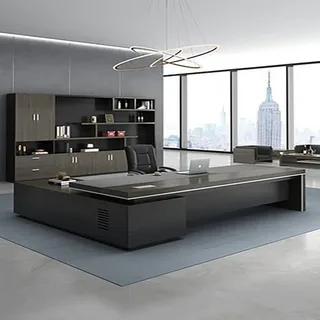
A productive workplace begins with furniture that supports the people using it every day. Employees need a comfortable environment where they can focus on tasks, communicate with colleagues, and manage long working hours efficiently. Seating is one of the most frequently used parts of an office setup, which makes choosing the right Office chair an important decision for businesses. A suitable design can provide comfort, practical support, and a polished appearance while working naturally with desks, workstations, and other office furniture.
Creating A Comfortable Work Environment
Comfort should be one of the main considerations when furnishing a professional workplace. Employees may spend most of their working hours at their desks, completing computer-based tasks, preparing documents, attending online meetings, or handling customer communication. Seating that does not provide suitable support can become distracting during these activities.
A well-designed chair allows employees to work with greater ease. The seat should provide enough room for comfortable sitting, while the backrest should offer suitable support. Proper cushioning can also make a difference during extended periods of use. Businesses should consider how their employees work before choosing furniture because a chair that works well for a short meeting may not be appropriate for a full working day.
Comfort also contributes to the overall atmosphere of an office. When employees have suitable furniture, their workstations can feel more organized and practical. This can help create a workplace where employees can concentrate on their responsibilities without unnecessary physical discomfort.
Understanding Adjustable Seating Features
Modern office seating often includes several adjustable components. These features allow employees to customize their seating according to their height, desk arrangement, and individual preferences. Seat height adjustment is particularly useful because employees need to position themselves comfortably in relation to their work surface.
Armrests can provide additional support during computer work. Depending on the design, they may be fixed or adjustable. Adjustable armrests can be useful when several employees share the same workstation because each person can change the position according to their preference.
Back support is another important feature. Different designs use different backrest shapes and materials. Some provide a firm structure, while others use flexible mesh. Businesses should consider the amount of daily use and the type of work performed when deciding which design is most appropriate.
Choosing Furniture According To Workspace Needs
Every office has different requirements. An executive office may have enough room for a larger chair with a formal appearance, while a compact workstation may require a smaller design. Conference rooms, reception areas, training spaces, and employee workstations can all benefit from different seating solutions.
Reception furniture should create a welcoming first impression. Visitors may spend time waiting before appointments, so comfortable seating can improve their overall experience. Meeting rooms should have chairs that are suitable for discussions and presentations while maintaining a professional appearance.
Open-plan offices require careful consideration because several workstations may share the same floor area. Furniture should provide comfort without making pathways difficult to use. Choosing appropriately sized seating can help maintain an open and organized environment.
Matching Seating With Office Desks
A chair should always be considered alongside the desk or workstation it will be used with. The relationship between seat height and desk height can affect how comfortably employees work. There should be enough legroom underneath the desk, and the chair should be able to move naturally without hitting nearby furniture.
Businesses should measure their workspace before making large furniture purchases. This includes checking desk dimensions, room width, walkway space, cabinet placement, and door clearance. Proper measurements can prevent problems after installation.
In shared workspaces, adjustable seating can offer additional flexibility. Different employees may use the same workstation at different times, so adjustable features can make the setup easier to adapt. For private offices, businesses may focus more on design, size, and executive presentation.
Selecting Suitable Materials
Material selection affects both appearance and everyday usability. Mesh seating is popular in many contemporary workplaces because its structure can promote airflow and provide a modern appearance. It can be particularly appealing for employees who spend long periods at their desks.
Fabric seating offers a different feel and can complement many interior styles. It is available in various textures and finishes, making it easier to coordinate with existing office furniture. Synthetic leather can provide a more formal appearance and may work particularly well in executive offices and meeting rooms.
Regardless of the material, durability should remain a priority. Workplace seating is exposed to repeated daily use, so the frame, base, wheels, adjustment mechanisms, and upholstery should be capable of handling regular activity.
Making Better Use Of Limited Space
Many businesses need to make efficient use of their available floor area. Oversized furniture can quickly make a small workplace feel crowded, while poorly positioned seating can interfere with movement between workstations.
Compact furniture can help businesses maintain sufficient working space. Chairs should be able to move in and out of desks without blocking major pathways. Employees should also have enough room to access storage units and shared equipment.
Before ordering furniture, businesses can create a basic floor plan showing desks, seating, storage, doors, windows, and walkways. This makes it easier to determine whether the selected furniture will fit comfortably within the available area.
Supporting Employee Productivity
The physical workplace can influence how easily employees complete their daily responsibilities. A comfortable workstation allows employees to focus on tasks instead of repeatedly adjusting their seating or changing positions because of discomfort.
A supportive work environment can be especially important for roles that require extended computer use. Employees may spend hours typing, reading screens, preparing reports, or communicating online. Suitable seating can make these routines more manageable.
However, furniture should be part of a complete workplace strategy. Desk height, monitor placement, lighting, storage, room temperature, and overall organization also contribute to a functional office. When these elements work together, employees can have a more comfortable and efficient working environment.
Considering Appearance And Office Style
Office furniture contributes to the visual identity of a workplace. A company that welcomes clients regularly may want furniture that looks professional and coordinated. Businesses with contemporary interiors may prefer clean lines and simple designs, while traditional offices may use more formal furniture.
Color and material choices can also influence the atmosphere. Neutral shades can create a calm and professional setting, while carefully selected accent colors can add personality. The important factor is maintaining consistency between seating, desks, storage, flooring, and other interior elements.
Furniture should also match the size of the room. Large seating can overwhelm a compact office, while very small furniture may look out of place in a spacious executive environment. Proportion is therefore an important part of office design.
Focusing On Long-Term Value
The purchase price should not be the only factor considered when selecting workplace furniture. A low-cost product may appear attractive initially but may require replacement sooner if it cannot withstand frequent use.
Businesses should compare construction quality, materials, available adjustments, maintenance requirements, warranty coverage, and expected service life. These factors provide a better understanding of the actual value of furniture.
High-use areas may require more durable seating, while occasional-use spaces can often be furnished with simpler options. This allows businesses to distribute their budget according to actual workplace requirements instead of spending the same amount on every area.
Maintaining Office Seating Properly
Regular maintenance can help preserve the condition of workplace furniture. Employees should clean upholstery according to the manufacturer's recommendations and avoid using unsuitable cleaning products that could damage surfaces.
Wheels, bases, armrests, adjustment controls, and other moving components should also be checked periodically. If a component becomes loose or damaged, it should be repaired rather than ignored.
Proper maintenance can help furniture remain functional and attractive for longer. It also supports a professional workplace appearance, which is particularly important in areas regularly used by customers and business visitors.
Planning Seating For Manila Businesses
Companies furnishing offices in Manila should consider the practical characteristics of their available space. Office locations can vary considerably in size, so furniture needs to be selected according to the actual dimensions of each room.
Businesses should also consider employee numbers, workstation arrangements, meeting requirements, reception needs, and future expansion. A furniture plan that works for a small team may need adjustments as the company grows.
The climate can also make material selection worth considering. Breathable seating materials may be appealing in workplaces where airflow and everyday comfort are important. Easy-to-maintain surfaces can also be useful in busy commercial environments.
Selecting A Dependable Furniture Supplier
A reliable supplier can make the office furnishing process more straightforward. Businesses should look for providers that offer a broad selection of office furniture and can explain the differences between available designs, materials, sizes, and features.
It is also useful to consider delivery and installation services when purchasing furniture for an entire workplace. Coordinating desks, workstations, cabinets, tables, and seating through one supplier can make it easier to create a consistent interior.
The second Office chair should be selected based on actual usage rather than appearance alone. Businesses should think about who will use it, how many hours it will be used each day, and what features are necessary for the specific workstation.
Preparing For Future Workplace Changes
Office requirements can change as businesses expand. New employees may join the company, departments may move, or rooms may be reorganized. Furniture that provides flexibility can make these changes easier to manage.
Adjustable and appropriately sized seating can be moved between workstations when necessary. Businesses can also benefit from choosing designs that coordinate with multiple types of desks and workstations.
Planning for future needs does not mean purchasing more furniture than necessary. Instead, it means selecting practical products that can remain useful if the office layout changes later.
Building A Complete Office Setup
A successful workplace requires different furniture pieces to work together. Desks provide the primary work surface, storage keeps documents and supplies organized, meeting tables support collaboration, and seating provides a comfortable place for employees and visitors.
The third Office chair should therefore be viewed as part of the complete workspace rather than as an isolated purchase. Its dimensions, style, material, and functionality should complement the rest of the office.
A carefully planned furniture arrangement can create clear work areas while preserving movement and keeping the office visually organized. This approach can be especially valuable for businesses that want a professional workplace without unnecessary clutter.
Final Thoughts
Choosing suitable office seating requires attention to comfort, adjustability, durability, material, size, appearance, and long-term value. Businesses should evaluate how employees use their workstations and consider the dimensions and purpose of each office area before purchasing furniture. With thoughtful planning, the right seating can contribute to a comfortable and professional environment. Companies looking for office furniture solutions in Manila can consider Manila office furniture den when developing a practical setup that supports both employees and business operations.