
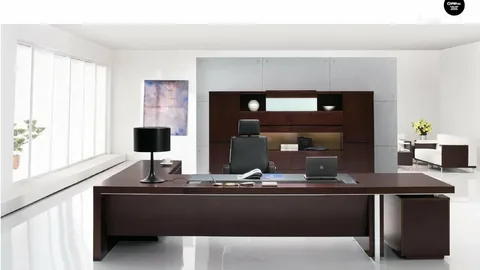
Choosing the right office table is crucial for creating a productive and aesthetically pleasing workspace. A well-designed office table not only provides a functional area to work but also sets the tone for the entire office environment. Alongside traditional desks, a free standing table offers flexibility and versatility, making it an ideal choice for modern offices that require adaptable workspaces. Whether it’s for individual work, collaborative projects, or meetings, selecting the right table can significantly enhance efficiency, organization, and comfort for employees.
The Benefits of a Well-Designed Office Table
An office table is much more than a surface to place a computer or paperwork. It plays a critical role in promoting ergonomics, organization, and workflow efficiency. A thoughtfully designed table allows employees to maintain good posture, reducing strain during long working hours. With ample workspace, drawers, and storage compartments, office tables help keep essential items organized and within easy reach. For collaborative environments, free standing tables can be moved and rearranged to accommodate group work or brainstorming sessions, creating a dynamic and adaptable office layout.
Choosing the Right Material for Your Office Table
Material selection is a key factor when investing in an office table. Popular materials include solid wood, MDF, laminate, metal, and glass. Solid wood tables offer a classic, timeless appeal and long-lasting durability. MDF and laminate provide cost-effective alternatives while still delivering a clean, professional look. Metal-framed tables are sturdy and modern, ideal for industrial-themed office spaces, while glass tables offer a sleek and sophisticated aesthetic. Choosing the right material depends on your office design, budget, and functional needs. Additionally, free standing tables made from lightweight materials are perfect for offices that require mobility and flexibility in their furniture layout.
Functionality and Workspace Efficiency
A functional office table enhances productivity by providing ample workspace and convenient storage solutions. Tables with built-in drawers, cable management systems, and adjustable heights improve workflow and keep the workspace organized. Free standing tables are particularly useful in offices where layouts change frequently, as they can be easily relocated to accommodate team meetings, events, or reconfigured office setups. Selecting a table that balances style, functionality, and comfort ensures that employees can perform their tasks efficiently without unnecessary clutter or distractions.
Design Considerations for Modern Offices
Modern office design emphasizes both aesthetics and practicality, making the choice of an office table critical. Sleek, minimalistic tables complement contemporary workspaces, while larger, executive-style tables convey professionalism and authority. For collaborative environments, modular free standing tables allow teams to work together efficiently, encouraging interaction and creativity. The design of the table should also harmonize with other office elements, such as chairs, storage units, and decorative accents, to create a cohesive and welcoming workspace.
Ergonomics and Comfort
Comfort is an essential aspect of any office setup. Ergonomic office tables are designed to support natural posture and reduce physical strain. Adjustable-height tables allow employees to switch between sitting and standing positions, promoting movement throughout the day and enhancing overall health. Free standing tables also contribute to ergonomic solutions by enabling flexible positioning, which can accommodate different tasks or collaborative activities. Ensuring that your office tables are ergonomically designed helps increase productivity while minimizing workplace fatigue and discomfort.
Maximizing Office Space
Efficient use of office space is essential, especially in smaller offices. Carefully selected office tables help optimize available space without compromising comfort or functionality. Compact tables with built-in storage can reduce clutter, while larger tables may serve multiple purposes, such as working, meeting, and displaying office equipment. Free standing tables offer additional flexibility, allowing office layouts to be adjusted as needed without permanent alterations. This adaptability makes them an ideal solution for offices that frequently host visitors, workshops, or team gatherings.
Maintenance and Durability
Durability and ease of maintenance are important factors when choosing an office table. High-quality materials ensure that tables withstand daily wear and tear, maintaining their appearance over time. Surfaces that are easy to clean and resistant to scratches or stains minimize maintenance efforts and prolong the table’s lifespan. Investing in a sturdy office table ensures long-term functionality, saving money on replacements while maintaining a professional and polished office environment. Free standing tables with durable finishes are particularly advantageous for high-traffic areas or flexible office setups.
Style and Brand Identity
An office table can also reflect the company’s brand identity. Color, design, and materials should align with the office’s overall theme and corporate image. Sleek, modern tables convey innovation and forward-thinking, while classic wooden designs reflect tradition and reliability. Incorporating branded elements, such as logo placement or color coordination, enhances the office’s professional appearance. Free standing tables provide opportunities for creative arrangements that showcase a brand’s unique culture and foster a welcoming environment for both employees and clients.
Cost and Investment Considerations
While price is a consideration, it should be balanced with quality, durability, and design. High-quality office tables may have a higher initial cost but provide long-term benefits through durability, ergonomic design, and aesthetic appeal. Free standing tables offer cost-effective flexibility for growing or changing offices, as they can be repurposed for multiple functions without additional purchases. Evaluating both immediate and long-term needs ensures that your investment supports productivity, style, and office functionality.
Conclusion
Selecting the right office table, including versatile free standing table, is essential for creating a functional, stylish, and productive workspace. A carefully chosen table supports workflow efficiency, ergonomic comfort, and brand representation, while enhancing the overall office environment. For businesses seeking high-quality, functional, and aesthetically pleasing solutions, office table provides options that meet every need, combining durability, style, and practicality to elevate your workspace.